
In today’s rapidly evolving social landscape, organizations focused on community impact — including nonprofits, foundations, and government institutions — are increasingly recognizing that real change rarely happens in isolation. Strategic partnerships have become a critical driver for amplifying reach, strengthening credibility, and maximizing resources to create sustainable impact.
Rather than operating independently, organizations that collaborate with aligned partners can combine expertise, expand their audiences, and deliver more comprehensive solutions to the communities they serve. Strategic partnerships are no longer optional — they are essential for scaling social impact effectively.
Why Strategic Partnerships Matter for Social Impact
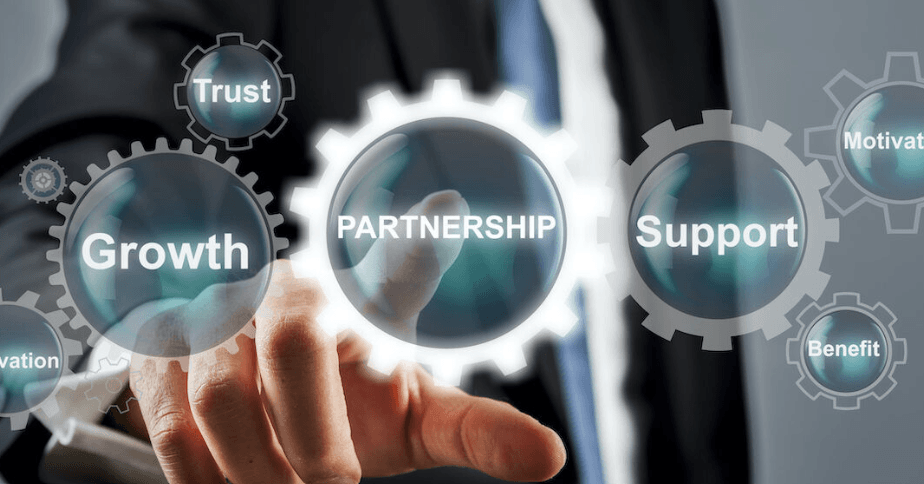
Social impact organizations often face limited budgets, small teams, and growing community needs. By forming partnerships, institutions can leverage shared resources and reduce duplication of efforts. Whether collaborating with other nonprofits, private sector companies, or government agencies, partnerships create opportunities to extend capabilities and strengthen outcomes.
Strategic collaborations also increase credibility. When organizations work together toward a shared mission, they reinforce trust among stakeholders, donors, and the communities they serve. This collective approach signals alignment, transparency, and commitment to long-term solutions.
Additionally, partnerships allow organizations to access new networks. Expanding reach is crucial for awareness campaigns, educational initiatives, and community programs. Through collaboration, institutions can tap into new audiences and improve engagement without significantly increasing costs.
Types of Strategic Partnerships for Social Impact
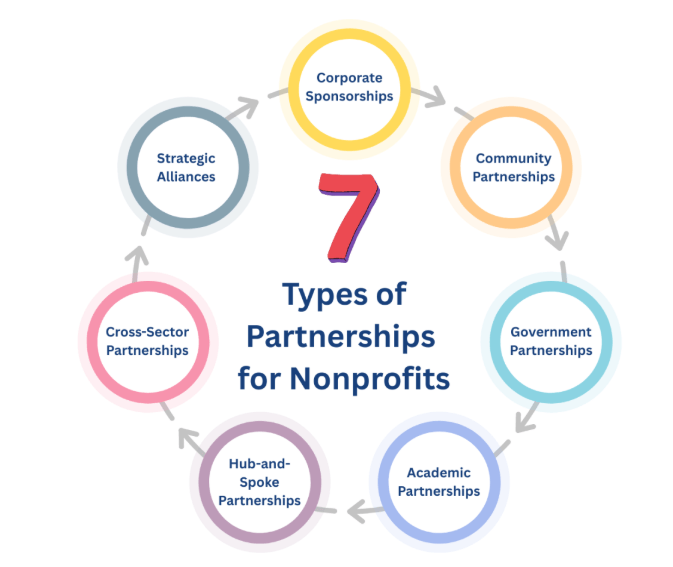
There are several types of partnerships that organizations can leverage:
- Nonprofit-to-Nonprofit Partnerships
These collaborations allow organizations with similar missions to combine resources, co-host events, or develop joint initiatives that increase efficiency and reach. - Public-Private Partnerships
Government agencies and nonprofits can partner with private companies to access funding, technology, and expertise. These collaborations often drive innovation and accelerate community programs. - Community-Based Partnerships
Working with local leaders, grassroots organizations, and community groups ensures initiatives are culturally relevant and better aligned with real needs. - Media and Communication Partnerships
Strategic alliances with media outlets and marketing agencies help organizations amplify awareness, improve messaging, and reach broader audiences.
Benefits of Strategic Partnerships
Organizations that invest in strategic partnerships often experience:
- Increased visibility and brand awareness
- Expanded community reach
- Shared resources and reduced operational costs
- Stronger credibility and trust
- Enhanced program effectiveness
- Greater funding opportunities
- Long-term sustainability
These benefits contribute directly to stronger outcomes and measurable social impact.
The Role of Communication in Successful Partnerships

Effective communication plays a central role in building and maintaining strategic partnerships. Clear messaging ensures all parties understand shared goals, responsibilities, and expectations. Consistent branding and storytelling also help communicate the partnership’s value to the public.
Organizations should highlight collaborative initiatives through content, social media, newsletters, and events. This not only reinforces transparency but also showcases the collective effort behind the impact.
Additionally, storytelling helps humanize partnerships. Sharing success stories, community testimonials, and measurable results strengthens engagement and encourages continued collaboration.
How Organizations Can Build Effective Partnerships
To develop successful strategic partnerships, organizations should:
- Identify partners with aligned missions and values
- Define clear goals and expected outcomes
- Establish transparent communication channels
- Create mutually beneficial collaboration opportunities
- Measure and share results
- Maintain long-term relationship building
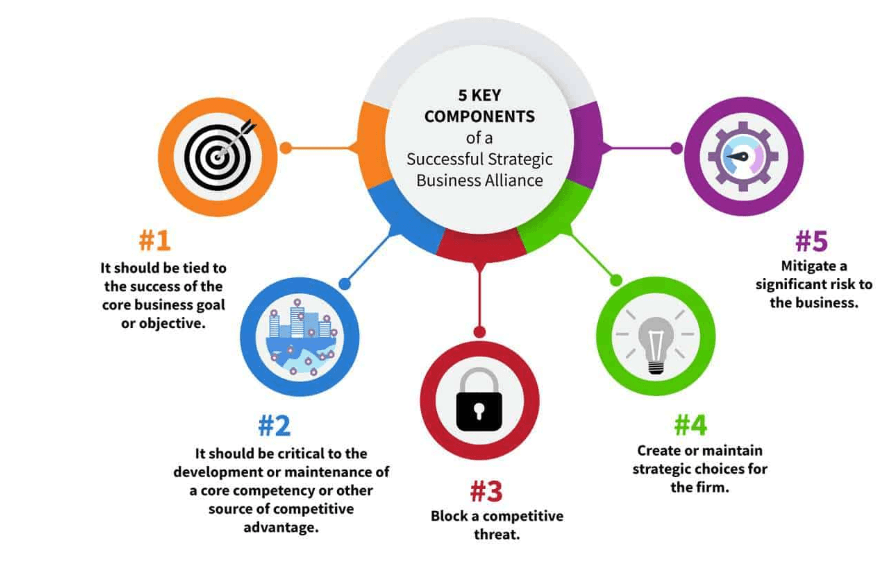
Partnerships built on trust, alignment, and shared impact goals are more likely to succeed and generate lasting change.
Driving Social Impact Through Collaboration

Strategic partnerships empower organizations to move beyond individual efforts and create collective solutions. By combining strengths, expanding networks, and aligning resources, institutions can scale their impact and better serve their communities.
In an environment where social challenges are increasingly complex, collaboration is key. Organizations that prioritize partnerships position themselves as leaders in community engagement, innovation, and sustainable impact.
At D&S Agency, we believe that strong social impact is built through collaboration and strategic relationships. By supporting organizations in communicating their partnerships effectively, we help amplify their reach and strengthen their connection with the communities they serve.
