
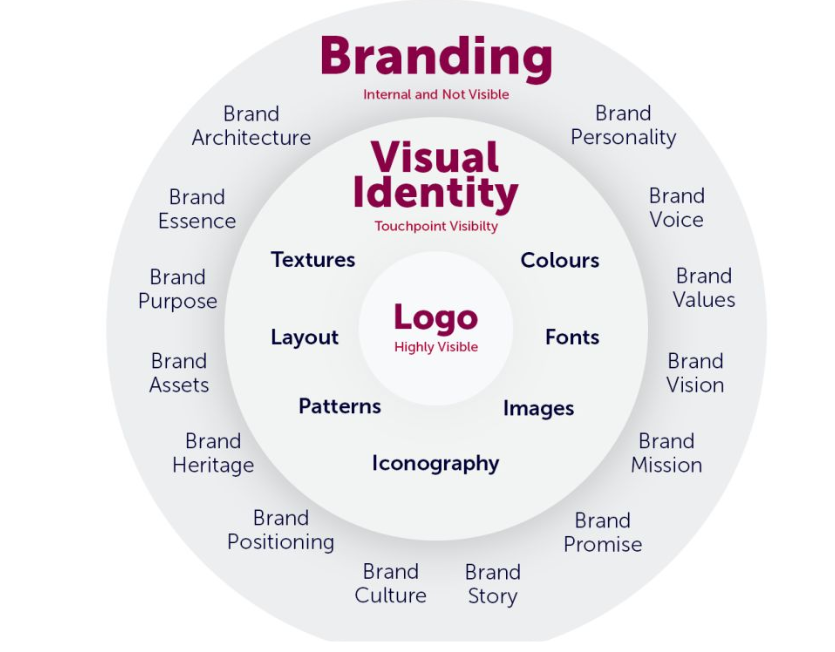
When people think about brand identity, the first things that usually come to mind are logos, colors, fonts, and social media aesthetics. While these visual elements are important, they are only one part of the bigger picture.
One of the biggest and most common mistakes businesses make when creating a brand identity is focusing only on how the brand looks instead of what the brand actually represents.
A beautiful logo cannot fix a weak strategy.

Many businesses rush into choosing colors, designing a website, or creating Instagram content without first defining the foundation of their brand. They want something that “looks professional” or “looks expensive,” but they skip the most important step: understanding the purpose behind the brand.
Brand identity is not just design. It is perception.
It is how people feel when they see your business, hear your message, interact with your content, or buy from you. It is the reason why some brands instantly create trust, while others feel forgettable—even if they look visually appealing.
A strong brand identity begins with strategy.
Before creating any visual element, you need to answer essential questions:
- Who is your ideal customer?
- What problem does your business solve?
- What makes your brand different from competitors?
- What values does your business represent?
- How do you want people to describe your brand?
- What emotions should your audience feel when they interact with you?
These answers shape everything.
For example, if your brand wants to position itself as premium and exclusive, your messaging, design, photography, and customer experience should all reflect sophistication and confidence. If your brand wants to feel approachable and friendly, your tone of voice, colors, and content should communicate warmth and connection.
Without strategy, branding becomes random.
You might choose colors because they are trendy, a logo because it looks modern, or a slogan because it sounds catchy—but if these choices are not aligned with your brand’s purpose, they create confusion instead of trust.
And confused customers do not buy.
People connect with consistency. They trust brands that feel clear, intentional, and authentic.
Think about companies like Apple. They do not just sell technology—they sell simplicity, innovation, and status. Every part of their brand identity reflects that, from product design to advertising.

The same happens with Nike. They do not only sell sportswear—they sell motivation, discipline, and the mindset of pushing beyond limits. Their branding is built around emotion, not just products.
That is the difference between a brand and just a business.
Another major mistake is trying to appeal to everyone.
When your brand tries to speak to everyone, it usually connects with no one. A strong identity requires clear positioning. You need to know exactly who your audience is and create messaging that speaks directly to them.
Not every customer is your customer—and that is okay.
The goal is not to attract everyone. The goal is to attract the right people.
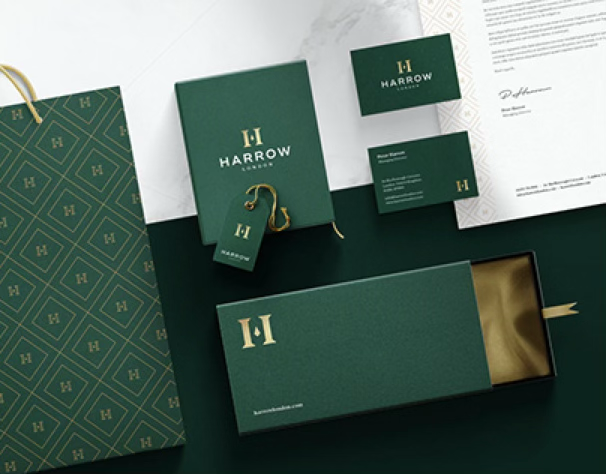
Your brand identity should also evolve beyond social media. It should be present in your website, your customer service, your packaging, your advertising, your proposals, your presentations, and every touchpoint your audience has with your business.
Branding is the full experience.
It is the promise your business makes and the feeling people remember after interacting with you.
At D&S Agency, we believe branding should be built with intention, not improvisation. We help businesses create strong identities rooted in strategy, positioning, and connection—so every visual decision supports long-term success.
Because a logo alone is not a brand.
A real brand is built on clarity, trust, and purpose.
And that is what people remember.
