
There are countless energy drink brands on the market. Some compete on flavor. Others compete on price. But Red Bull chose a different path: it built a media empire.
Today, Red Bull is recognized not only for its product, but for the experiences, stories, and lifestyle it represents. It has become one of the most powerful examples of how branding can transcend what a company sells.
So, how did an energy drink company become a brand that feels more like a media company?
Red Bull Doesn’t Sell Energy Drinks. It Sells a Lifestyle.
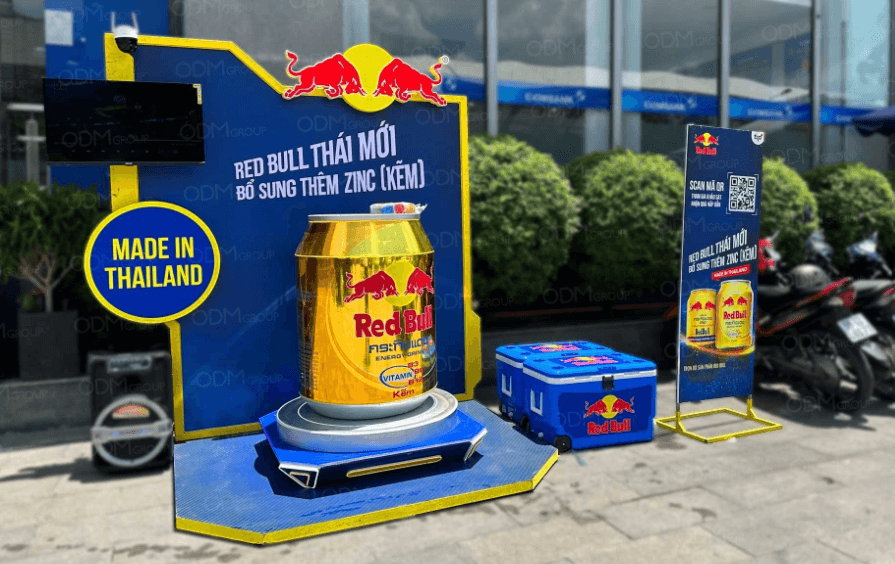
At its core, Red Bull understood something many brands overlook:
People don’t buy products. They buy identities, aspirations, and emotions.
Instead of focusing its communication on ingredients, calories, or caffeine content, Red Bull built its entire brand around a feeling:
- Adventure.
- Performance.
- Adrenaline.
- Pushing boundaries.
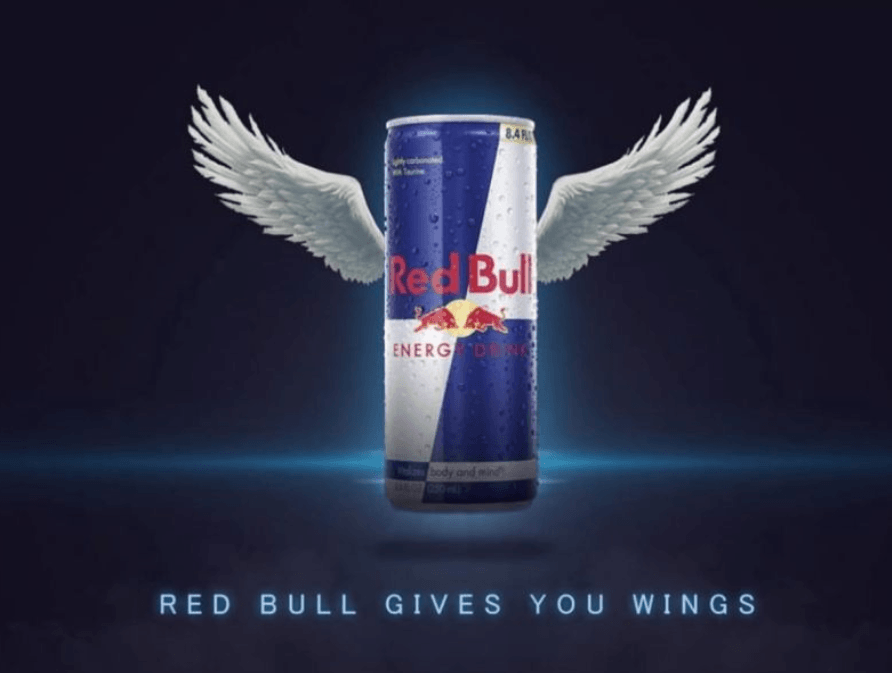
Its famous slogan, “Red Bull Gives You Wings,” isn’t about the drink itself. It’s about what people believe they can become.
They Created Content People Actually Want to Watch
Most brands interrupt people with advertising.
Red Bull became the entertainment.
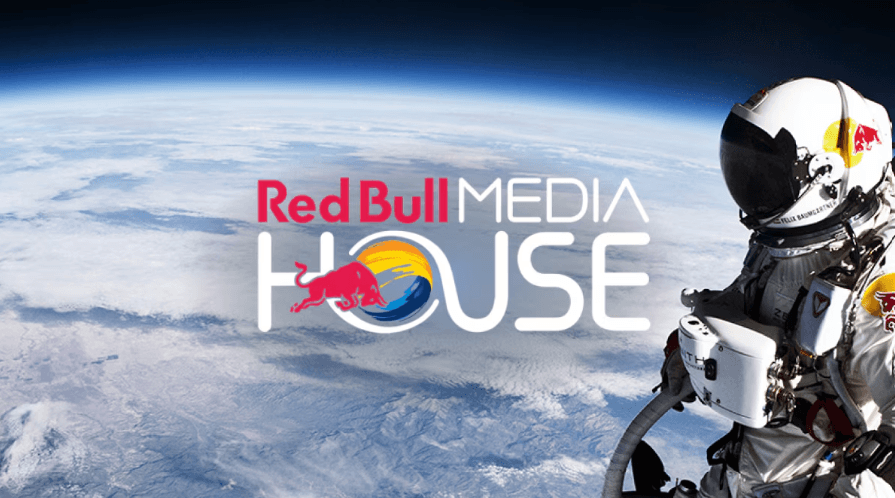
Through Red Bull Media House, the company produces documentaries, live broadcasts, magazines, films, podcasts, social media content, and original programming centered around sports, music, culture, and adventure.
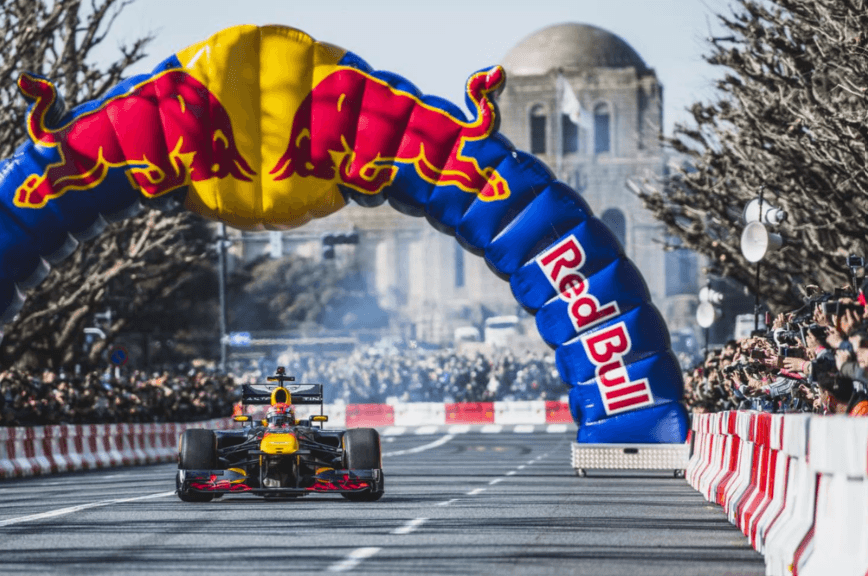
Whether you’re watching freestyle motocross, cliff diving, Formula 1, mountain biking, or surfing, you’re consuming Red Bull content without necessarily realizing you’re being marketed to.
The brand stopped asking for attention and started earning it.
They Focused on Communities, Not Consumers
Red Bull didn’t try to appeal to everyone.
Instead, it identified communities that shared the values the brand wanted to represent:
- Athletes
- Creators
- Gamers
- Adventurers
- Music enthusiasts
- Risk-takers
By becoming genuinely involved in these spaces, Red Bull transformed audiences into loyal advocates.
People didn’t simply drink Red Bull.
They wanted to belong to the world Red Bull created.
Experiences Became Part of the Product

One of Red Bull’s greatest strengths is its ability to create unforgettable experiences.
From sponsoring extreme sports events to organizing music festivals and global competitions, the company consistently reinforces its brand promise through real-life moments.
Perhaps the most iconic example was the Red Bull Stratos project, where Felix Baumgartner completed a record-breaking jump from the edge of space.
Millions watched.
It wasn’t an advertisement.
It was a cultural moment.
And yet, it perfectly embodied everything Red Bull stands for.
What Brands Can Learn from Red Bull
You don’t need Red Bull’s budget to apply the same principles.
Here are a few lessons businesses of any size can take away:
1. Sell the transformation, not the product.
People buy outcomes, emotions, and aspirations.
Ask yourself: What does your customer become because of your brand?
2. Create value before asking for a sale.
- Educational content.
- Entertainment.
- Inspiration.
When your audience benefits from your content, trust grows naturally.
3. Build a community around shared values.
The strongest brands unite people around ideas bigger than products.
4. Consistency matters.
Every piece of Red Bull’s communication reinforces the same message.
- Energy.
- Adventure.
- Limitless potential.
The repetition builds recognition.
5. Think like a publisher.
Instead of asking, “What should we promote this week?”
Ask:
“What stories would our audience genuinely want to consume?”
The Takeaway
Red Bull didn’t become iconic because it had the best advertising campaigns.
It became iconic because it understood that modern branding isn’t about constantly selling.
It’s about creating experiences, telling stories, and building a world people want to be part of.
The brands that thrive in today’s landscape aren’t just competing for purchases.
They’re competing for attention, relevance, and emotional connection.
And the ones that win are often the ones that stop acting like advertisers and start acting like storytellers.
If your audience would miss your content if it disappeared tomorrow, you’re building more than a brand. You’re building a community worth following.
