Rebranding is one of the most powerful—and risky—moves a company can make. Done right, it can refresh your image, reconnect you with your audience, and unlock new growth opportunities. Done at the wrong time or for the wrong reasons, it can confuse customers and weaken brand trust.
At D&S Agency, we often remind clients that rebranding is not about changing a logo—it’s about realigning your brand with who you are today and where you’re going.
So, how do you know when it’s time to rebrand… and when it’s better not to?
What Rebranding Really Means
Rebranding goes far beyond visuals. It can involve:
- Brand strategy and positioning
- Visual identity (logo, colors, typography)
- Tone of voice and messaging
- Brand values and customer perception
A rebrand should always start from strategy, not aesthetics.
When Rebranding Makes Sense
- When your brand no longer reflects your business
As businesses evolve, their branding often lags behind. When what you do no longer matches how you look or sound, a rebrand becomes necessary.
Example: Instagram
Instagram’s rebrand reflected its evolution from a simple photo-sharing app to a global multimedia platform. The bold gradient logo and modern design aligned better with video, creators, and a younger, more dynamic audience.
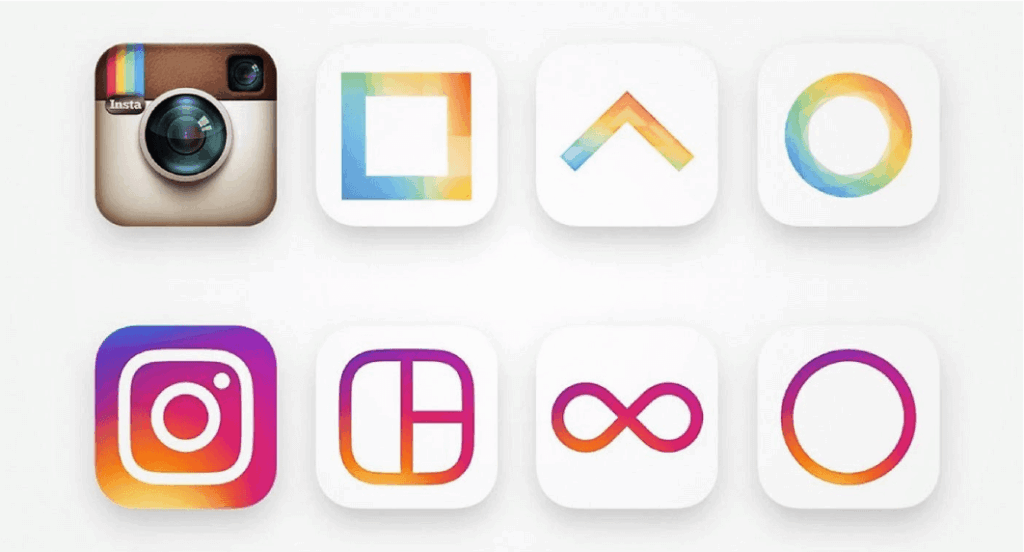
Key takeaway: If your brand visuals no longer represent your current offering, your audience will feel the disconnect.
- When you’re targeting a new audience or market
Expanding into new demographics or global markets often requires a brand update to stay relevant and culturally aligned.
Example: Google
Google simplified its logo and visual system to adapt to digital-first environments and multiple devices. The cleaner, friendlier identity made the brand more accessible while maintaining strong recognition.
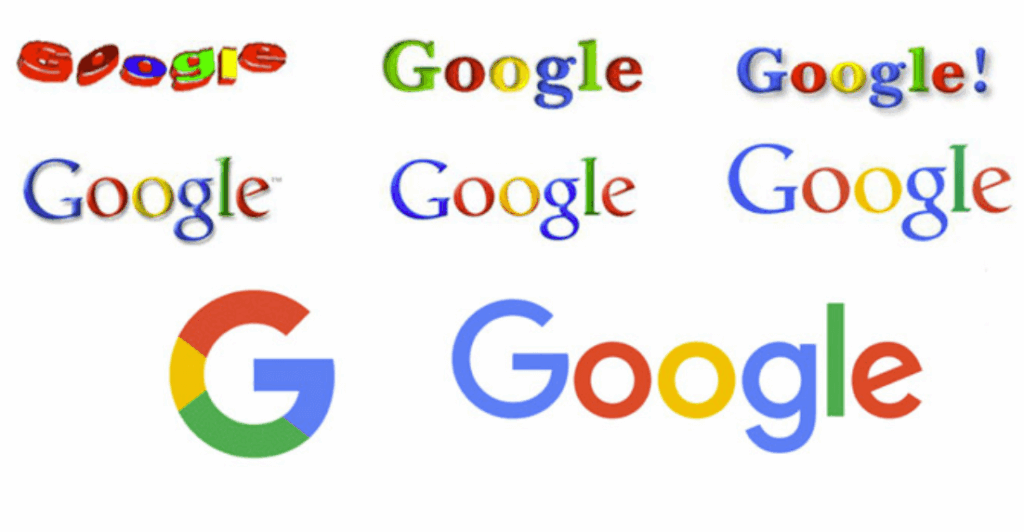
Key takeaway: A rebrand can help you speak clearly to new audiences without losing your essence.
- When your brand lacks differentiation
If your brand looks and sounds like everyone else in your industry, it’s time to rethink your positioning.
Example: Burger King
Burger King’s rebrand leaned into nostalgia with a modern twist. By embracing bold typography, retro colors, and a confident tone, the brand clearly differentiated itself from competitors and reconnected with its core identity.
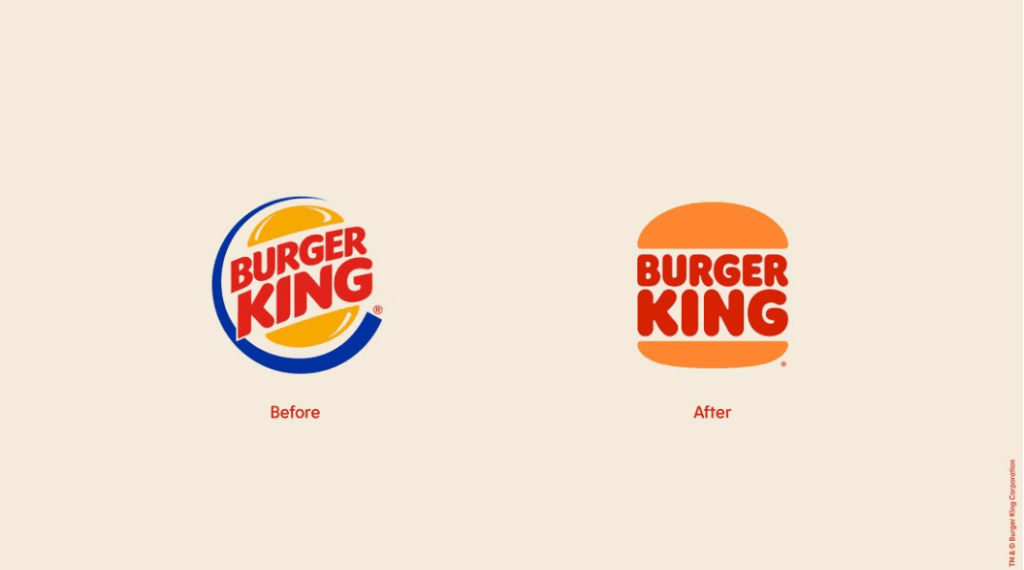
Key takeaway: Rebranding can help you stand out by owning what makes you different—not copying trends.
When You Should NOT Rebrand
- When sales are down and you’re panicking
Rebranding is often mistaken as a quick fix for declining sales or engagement—but visuals alone won’t solve deeper issues.
Example: Pepsi
Several Pepsi logo updates over the years have generated heavy criticism for lacking clarity and emotional connection. While the brand remains strong, some redesigns failed to address real strategic challenges and were perceived as expensive cosmetic changes rather than meaningful evolution.
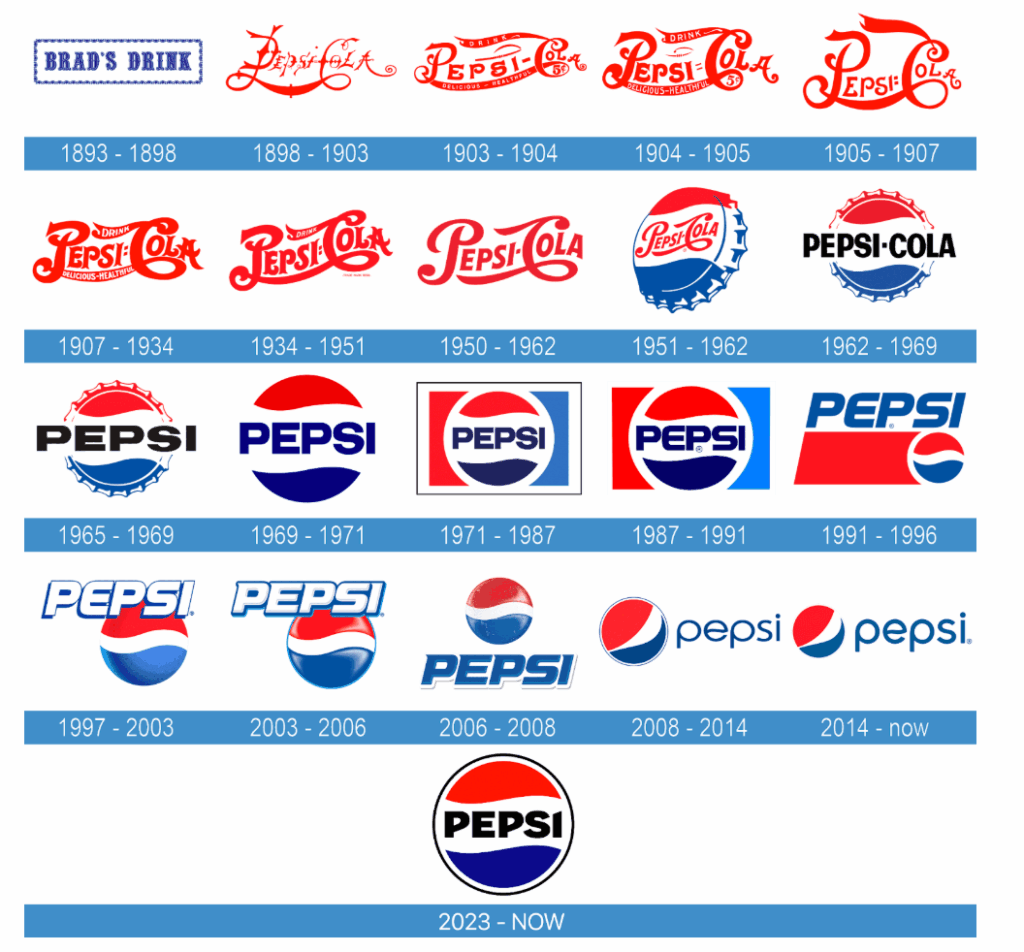
Lesson: If the problem is strategy, operations, or positioning, rebranding won’t fix it.
- When you’re doing it just because it’s “trendy”
Chasing trends without a clear purpose often leads to backlash and short-lived results.
Example: Gap
Gap’s 2010 logo redesign was met with immediate public rejection. Customers felt disconnected from the new look, which lacked the brand’s classic identity. The backlash was so strong that Gap reverted to its original logo within days.
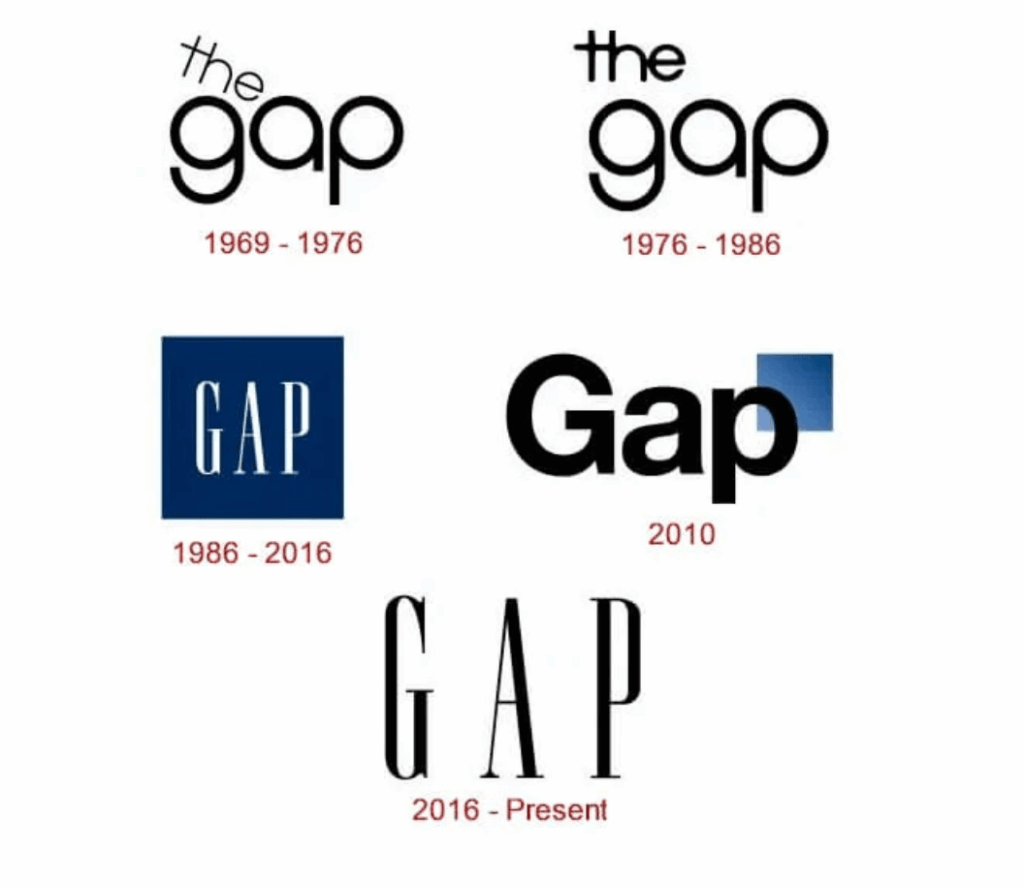
Lesson: Trend-driven rebrands without audience consideration can damage trust instantly.
- When there’s no clear strategy behind it
A rebrand without a clear “why” often feels forced and disconnected.
Example: Twitter (X)
The transition from Twitter to X created confusion among users and advertisers. The sudden shift lacked clear communication and strategic storytelling, weakening brand recognition that had been built over years.
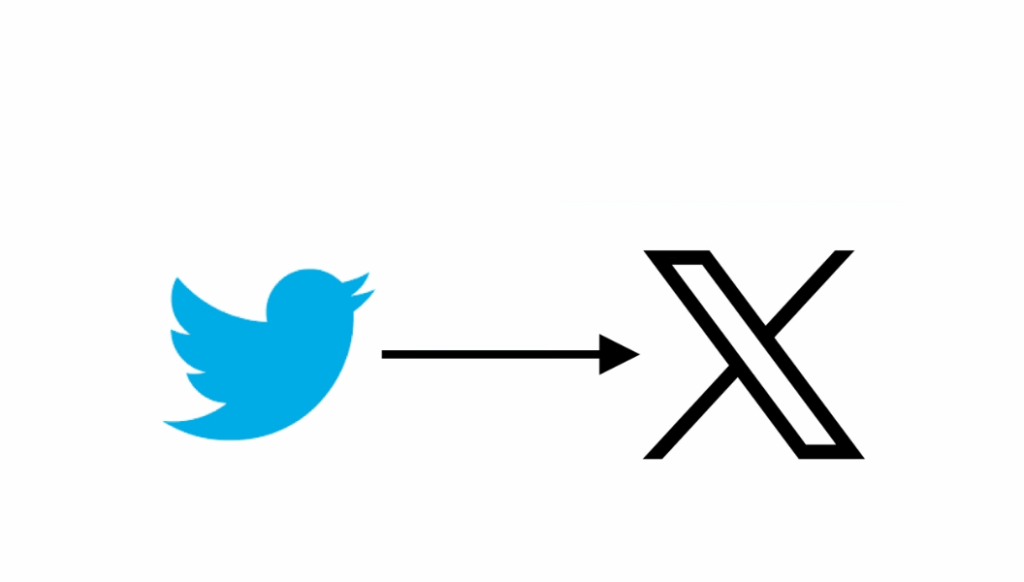
Lesson: If users don’t understand the reason behind the change, they won’t embrace it.
Rebranding VS Brand Refresh

- Rebranding → a strategic transformation of identity and positioning
- Brand refresh → visual or messaging updates while maintaining core recognition
Many brands fail because they choose a full rebrand when a refresh would have been enough.
Rebranding can elevate a brand—or seriously damage it. The difference is never the logo, the colors, or the trend of the moment. The difference is strategy, timing, and clarity.
The brands that failed didn’t rebrand because they needed to—they rebranded out of pressure, panic, or trend-chasing. They skipped the most important step: understanding what the brand truly needed.
At D&S Agency, we approach rebranding differently.
We don’t redesign for aesthetics alone.
We don’t follow trends without purpose.
And we don’t push a full rebrand when a strategic refresh is enough.
Instead, we:
- Analyze where your brand is and where it needs to go
- Identify real gaps in positioning, messaging, and perception
- Decide if a rebrand is necessary—or if another solution will deliver better results
- Build brand identities that align with business goals, audience expectations, and long-term growth
Our goal is not to make your brand “look different,” but to make it clearer, stronger, and more relevant.
Because the best rebrands aren’t the most dramatic ones—they’re the ones that feel intentional, strategic, and right.
If you’re considering a rebrand and want to do it the right way, with purpose and direction, D&S Agency is here, click on this link if you want us to guide you through every step—strategically, not emotionally.
