
The human brain makes decisions emotionally first and rationally second.
Logic doesn’t lead—it justifies.
Psychological triggers speak directly to the fast, automatic systems that guide attention and behavior. That’s why long explanations, excessive features, or price comparisons often fail if the emotional hook isn’t there first.
The decision-making order is always the same:
FEEL → DECIDE → JUSTIFY
Your marketing should follow that exact sequence.
The 3 Brain Systems Every Trigger Activates
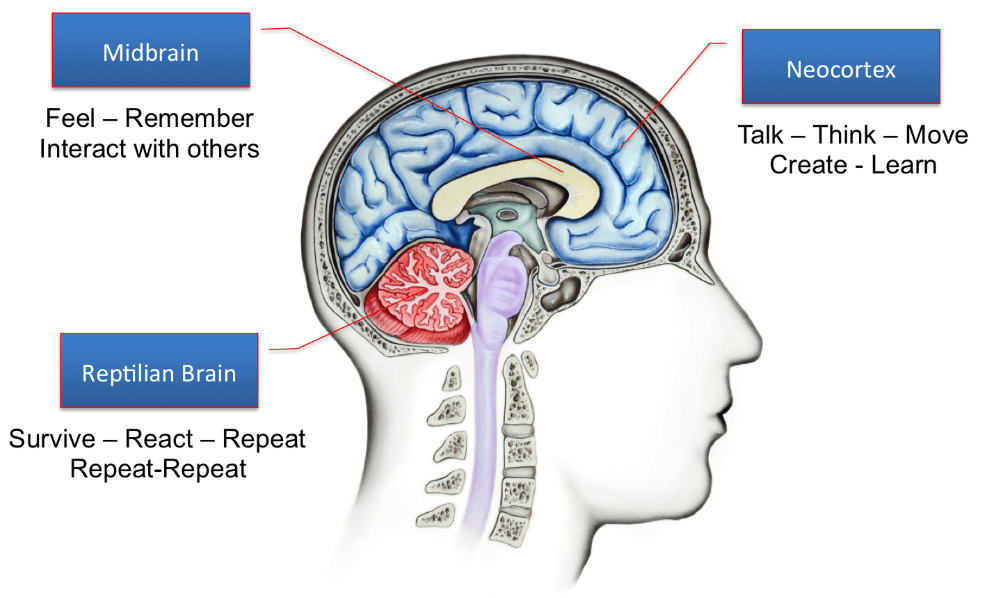
Every psychological trigger taps into one (or more) of these three systems:
1. The Reptilian Brain
Survival, urgency, instant decisions
This is the oldest part of the brain—and the most powerful. It reacts faster than logic and operates below conscious awareness. Triggers that speak to instinct override rational thinking and hesitation.
That’s why urgency, scarcity, and fear of missing out work so well.
2. The Limbic Brain
Emotion, belonging, trust
This system governs emotional connection. It’s where brand loyalty, attachment, and identity live. When a brand feels familiar or emotionally safe, resistance drops.
3. The Neocortex
Logic, comparison, justification
This is where features, pricing, and rational arguments live—but only after the emotional decision has already been made. Studies show that up to 95% of decisions are driven by emotion first, with logic stepping in afterward to justify the choice.
The 5 Psychological Triggers That Shape Demand
Trigger #1: Exclusivity
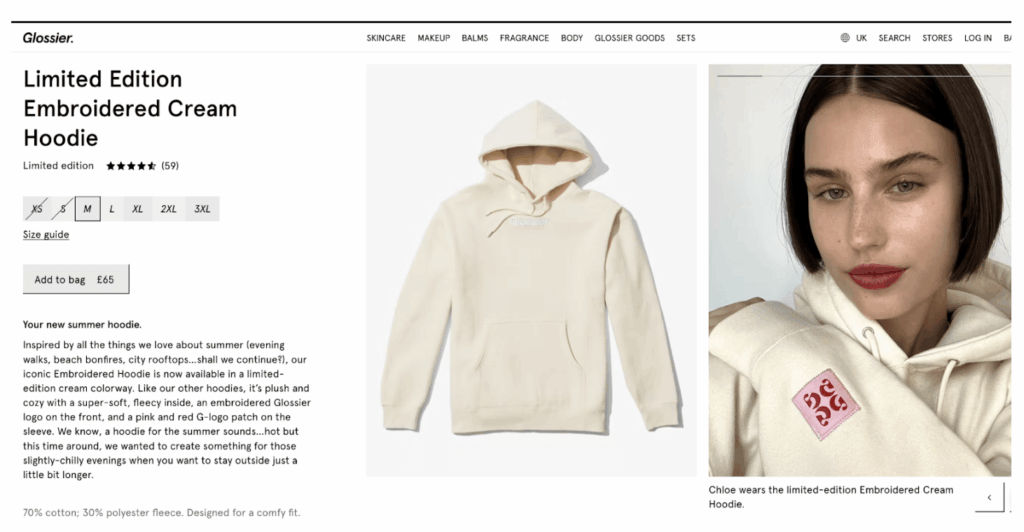
When something feels hard to get, the brain automatically assigns it more value.
Scarcity creates urgency. Limited access increases desire. People chase what not everyone can have.
How brands use exclusivity effectively:
- Limited drops with countdowns
- VIP or early-access lists
- Members-only colors, versions, or flavors
- “Only X left” inventory cues
- Positioning the product as rare, not common
Exclusivity isn’t about exclusion—it’s about perceived value.
Trigger #2: Social Proof

People trust what other people choose.
Social proof reduces perceived risk, builds confidence, and accelerates decision-making. When consumers see others using and choosing a product, it feels safer—and better.
How to apply social proof:
- Reviews and UGC above the fold
- Customer stories instead of brand claims
- “Most purchased this week” or “Bestseller” badges
- Influencer comparisons and reactions
- Real people using the product in daily life
If others choose it, the brain assumes it must be right.
Trigger #3: Collectability
Collectability turns a single purchase into ongoing behavior.
Our brains hate incomplete sets. This is known as the Zeigarnik Effect—unfinished loops create mental tension that pushes people to complete them.
Ways brands activate collectability:
- Micro-teasers and slow reveals
- Waitlists with early access
- Polls (“Which should we drop first?”)
- Behind-the-scenes previews
- Weekly or monthly reveal rituals
You’re no longer selling a product—you’re creating a sequence.
Trigger #4: Anticipation

Anticipation keeps your audience engaged before the product even drops.
Dopamine spikes before the reward, not after. That’s why teasing, hinting, and building expectations can be more powerful than the launch itself.
How to build anticipation:
- Numbered series (#1, #2, #3…)
- Seasonal limited collections
- “Complete the set” prompts
- Smart cart recommendations that fill gaps
- Progress bars (3/6 collected)
The wait becomes part of the experience.
Trigger #5: Belonging

Belonging is a primal human need.
Brands that create identity don’t need to beg for attention—they earn loyalty, advocacy, and word-of-mouth naturally. When customers feel “this brand is part of who I am,” price sensitivity drops dramatically.
How brands create belonging:
- Naming the community
- Creating rituals (weekly drops, monthly routines)
- Using insider language customers adopt
- Publicly celebrating customer content
- Making buyers feel like they’re “in on something”
People don’t just buy brands they belong to.
Mastering psychological triggers allows brands to shape demand, deepen loyalty, and create experiences audiences can’t help but return to.
Stop competing for attention.
Create a brand people naturally gravitate toward.
At D&S Agency, we design strategies rooted in human behavior, emotion, and intent.
And that’s where real growth begins, click here if you want to work with us.
